The Best Fluffy Pancakes recipe you will fall in love with. Full of tips and tricks to help you make the best pancakes.


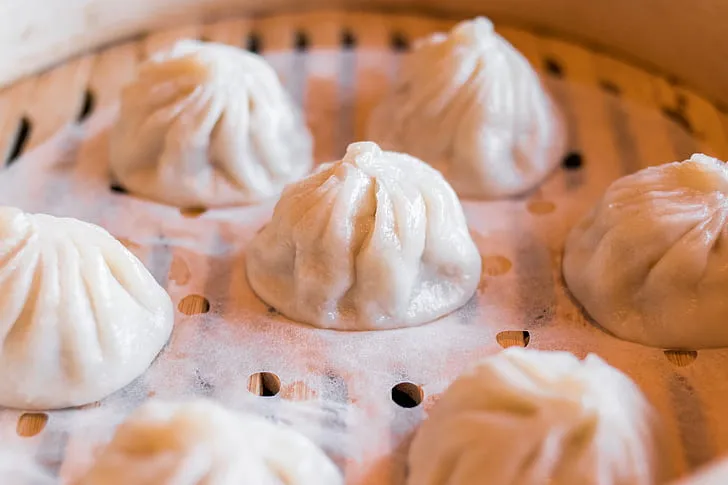
If you’ve ever wondered how to make dumplings that turn out soft, juicy, and perfectly sealed every single time, you’re in the right place. Dumplings might look a little intimidating at first glance—those cute pleats! that delicate dough!—but once you learn a few simple techniques, they become one of the easiest and most satisfying homemade dishes ever. Whether you love them steamed, boiled, or pan-fried until crispy, this step-by-step beginner-friendly guide will show you exactly how to get foolproof results.
In this post, we’ll walk through the essential ingredients, the best tools to use, how to fold dumplings without tearing the wrappers, and the cooking methods that guarantee perfect texture. You’ll also get tons of helpful tips, common mistakes to avoid, and flavor variations so you can make dumplings just the way you like them—classic pork and cabbage, light chicken, or even a fresh veggie mix.
What You Need to Make Perfect Dumplings
Making dumplings may seem intimidating at first, but with the right tools and ingredients, you can achieve restaurant-quality results right at home. Let’s break down everything you need before you start cooking.
1. Essential Ingredients
The foundation of any great dumpling is fresh, high-quality ingredients. While dumpling recipes can vary, most require:
- Dumpling wrappers: Store-bought or homemade, the wrapper is crucial for texture and folding.
- Protein options: Ground pork, chicken, shrimp, tofu, or a combination for vegetarian options.
- Vegetables: Napa cabbage, carrots, mushrooms, or scallions add flavor and texture.
- Seasonings: Soy sauce, sesame oil, ginger, garlic, and salt help create the perfect umami flavor.
- Binding agents: Eggs or cornstarch can help keep the filling together.
2. Kitchen Tools & Utensils
Having the right tools makes the dumpling-making process smoother and more enjoyable:
- Mixing bowls: For combining the filling evenly.
- Rolling pin: If making your own wrappers.
- Dumpling mold or press: Optional but helpful for uniform shapes.
- Steamer, pan, or pot: Depending on whether you want to steam, boil, or pan-fry your dumplings.
- Spatula or slotted spoon: For handling dumplings without breaking them.
3. Prep Essentials
Preparation is key to perfect dumplings:
- Clean workspace: Ensure you have enough room to roll, fill, and fold without clutter.
- Chilled filling: Keep meat and vegetables cold to maintain texture and prevent sticking.
- Small bowls of water: Used to seal the edges of the dumpling wrappers.
4. Optional Extras
Adding these extras can elevate your dumplings:
- Dipping sauces: Soy sauce, vinegar, chili oil, or homemade sauces.
- Garnishes: Chopped scallions, sesame seeds, or fresh herbs.
- Serving dishes: Small plates or steam baskets for an appealing presentation.
By having all your ingredients and tools ready, you’ll set yourself up for a smooth dumpling-making process, ensuring each dumpling turns out perfectly every time.
How to Make Dumpling Dough & Filling
Creating the perfect dumplings starts with two key components: the dough and the filling. Getting each just right ensures your dumplings are tender, flavorful, and hold together beautifully during cooking.
1. Making Dumpling Dough from Scratch
While you can buy pre-made wrappers, making your own dough allows for more control over texture and thickness. Here’s how:
Ingredients:
- 2 cups all-purpose flour
- About ¾ cup warm water
- A pinch of salt
Step-by-Step:
- Mix flour and salt: Place the flour in a large bowl and add a pinch of salt.
- Add water gradually: Slowly pour in warm water while stirring with chopsticks or a fork until the mixture forms a rough dough.
- Knead the dough: Transfer the dough to a floured surface and knead for 8–10 minutes until smooth and elastic.
- Rest the dough: Cover with a damp cloth or plastic wrap and let it rest for at least 30 minutes. This relaxes the gluten, making it easier to roll out.
- Roll & cut wrappers: Divide the dough into small portions and roll into thin circles (about 3–4 inches in diameter).
2. Preparing the Perfect Filling
The filling is what gives your dumplings flavor and texture. A good balance of protein, vegetables, and seasonings is key.
Common Ingredients:
- Protein: ground pork, chicken, shrimp, or tofu
- Vegetables: finely chopped cabbage, scallions, carrots, or mushrooms
- Seasonings: soy sauce, sesame oil, grated ginger, garlic, salt, pepper
- Optional: cornstarch or egg to bind the filling
Step-by-Step:
- Chop & mix vegetables: Finely chop your vegetables so they cook evenly inside the dumpling.
- Combine protein & veggies: In a bowl, mix your chosen protein with vegetables.
- Add seasonings: Incorporate soy sauce, sesame oil, garlic, ginger, and any other spices. Taste a small piece by pan-frying to adjust seasoning if necessary.
- Bind the filling: Add a small amount of cornstarch or an egg to help the mixture hold together while cooking.
3. Tips for Dough & Filling
- Avoid overfilling: Too much filling can cause dumplings to burst during cooking.
- Keep everything cold: Chilled filling prevents the wrappers from becoming soggy.
- Evenly roll wrappers: Uniform thickness ensures dumplings cook at the same rate.
Mastering your dough and filling is the first step toward dumplings that are not only delicious but also visually appealing—soft, tender, and bursting with flavor.
Folding Techniques for Beginners
Folding dumplings may seem tricky at first, but with a few simple techniques, even beginners can create beautiful, uniform dumplings. The key is practice, patience, and understanding the basic folds.
1. The Classic Half-Moon Fold
This is the simplest and most common dumpling fold, perfect for beginners:
- Step 1: Place about 1 teaspoon of filling in the center of the wrapper.
- Step 2: Wet the edge of the wrapper with a little water.
- Step 3: Fold the wrapper in half to create a half-moon shape.
- Step 4: Press the edges together firmly to seal, making sure no filling escapes.
Tip: Keep the seal tight but don’t overfill, or the dumpling may burst during cooking.
2. The Pleated Fold
This fold is traditional in Chinese dumplings and gives a professional look:
- Step 1: Hold the half-moon dumpling in one hand.
- Step 2: With the other hand, make small pleats along the curved edge, pressing each pleat firmly.
- Step 3: Continue until the dumpling is fully sealed with decorative folds.
Tip: Pleating takes practice, but even uneven pleats will taste delicious!
3. The Envelope or Square Fold
For a unique presentation, try this method:
- Step 1: Place the filling in the center of a square wrapper.
- Step 2: Fold two opposite corners toward each other, pinching them at the top.
- Step 3: Fold the remaining sides, creating a neat “envelope” shape.
4. Beginner-Friendly Tips
- Keep edges damp with water to ensure a good seal.
- Avoid overfilling; less is more when learning folds.
- Practice on a few dumplings first before making a large batch.
- Use floured hands or surface to prevent sticking.
Mastering these folding techniques not only improves the appearance of your dumplings but also helps them cook evenly and hold the delicious filling inside.
Cooking Methods: Boiled, Steamed & Pan-Fried Dumplings
Once your dumplings are perfectly folded, the next step is cooking them. Dumplings can be boiled, steamed, or pan-fried, each method creating a slightly different texture and flavor. Let’s break down the three most popular techniques:
1. Boiled Dumplings
Boiling is a classic method that produces soft, tender dumplings:
- Step 1: Bring a large pot of water to a rolling boil.
- Step 2: Gently add dumplings one by one to prevent sticking.
- Step 3: Stir occasionally to keep them from clumping together.
- Step 4: Cook until dumplings float to the top and the filling is fully cooked (usually 4–6 minutes).
- Step 5: Remove with a slotted spoon and serve immediately.
Tip: Add a pinch of salt to the water for extra flavor and prevent sticking.
2. Steamed Dumplings
Steaming preserves the dumplings’ delicate flavor and keeps the filling juicy:
- Step 1: Line a steamer basket with parchment paper or cabbage leaves to prevent sticking.
- Step 2: Place dumplings in the basket, leaving space between each one.
- Step 3: Steam over simmering water for 8–12 minutes, depending on the size and filling.
- Step 4: Serve immediately with your favorite dipping sauce.
Tip: Make sure the water does not touch the dumplings during steaming, or they may become soggy.
3. Pan-Fried Dumplings (Potstickers)
Pan-frying creates a crispy bottom while keeping the top soft and tender:
- Step 1: Heat 1–2 tablespoons of oil in a non-stick skillet over medium heat.
- Step 2: Place dumplings flat-side down and cook until golden brown on the bottom (about 2–3 minutes).
- Step 3: Carefully pour in about ¼ cup of water, cover, and steam for 5–7 minutes.
- Step 4: Remove the lid and let any remaining water evaporate to crisp the bottom again.
Tip: Use a non-stick pan and moderate heat to avoid burning while ensuring the filling cooks thoroughly.
4. Cooking Tips for All Methods
- Don’t overcrowd the pot, steamer, or pan; dumplings need space to cook evenly.
- Serve immediately for the best texture—dumplings lose their softness or crispiness if left sitting too long.
- Pair with dipping sauces like soy sauce, vinegar, chili oil, or sesame sauce for enhanced flavor.
Experimenting with these cooking methods allows you to enjoy different textures and flavors. Boiled dumplings are soft and comforting, steamed ones are light and juicy, and pan-fried dumplings offer a deliciously crispy contrast.
Tips, Mistakes to Avoid & Extra Flavor Boosters
Even after mastering dough, filling, folding, and cooking, small tips and flavor tweaks can make a big difference in your dumpling game. This section will help beginners avoid common mistakes and take their dumplings from good to unforgettable.
1. Common Mistakes to Avoid
- Overfilling the dumplings: Too much filling can cause dumplings to burst during cooking. Use just enough to create a plump but sealable dumpling.
- Not sealing properly: Ensure the edges are well-pressed or pleated; otherwise, the filling can leak out.
- Skipping the resting time for dough: Resting makes the dough elastic and easier to roll, preventing tears.
- Cooking at the wrong temperature: Boiling too vigorously or pan-frying on high heat can damage the dumplings’ shape and texture.
2. Tips for Perfect Dumplings Every Time
- Chill the filling: Cold filling helps maintain structure and prevents wrappers from becoming soggy.
- Flour your surface and hands: This prevents sticking and makes folding easier.
- Uniform wrapper thickness: Rolling wrappers evenly ensures all dumplings cook at the same rate.
- Work in small batches: This prevents crowding and allows for consistent cooking.
3. Extra Flavor Boosters
Enhancing flavor can turn basic dumplings into restaurant-quality bites:
- Infuse the filling: Add finely minced ginger, garlic, or scallions for a punch of freshness.
- Mix proteins: Combine pork with shrimp or chicken with mushrooms for complex flavors.
- Add aromatics: Sesame oil, soy sauce, or a splash of rice wine can elevate taste.
- Serve with sauces: Create a variety of dipping sauces such as soy-vinegar, chili-garlic, or sesame-scallion for added flavor.
Pro Tip: For extra visual appeal and texture, sprinkle toasted sesame seeds or chopped fresh herbs on top of steamed or pan-fried dumplings just before serving.