
The Best Fluffy Pancakes recipe you will fall in love with. Full of tips and tricks to help you make the best pancakes.


If you’re looking for a dessert that’s both simple to make and bursting with fresh, zesty flavor, this homemade lemon cake is the perfect choice. Soft, moist, and packed with the natural brightness of real lemons, it’s a treat that’s perfect for any occasion — whether it’s a casual afternoon tea, a summer gathering, or just a sweet pick-me-up at home. Made from scratch with simple ingredients like fresh lemon juice, lemon zest, butter, and sugar, this recipe is easy enough for beginners yet delicious enough to impress family and friends. In this post, we’ll guide you step by step to create a lemon cake that’s fluffy, flavorful, and topped with a glossy glaze that enhances every bite. Get ready to enjoy a dessert that’s as cheerful as it is irresistible!
Essential Ingredients and Baking Tools You’ll Need
Creating a perfect homemade lemon cake starts with using the right ingredients and tools. Here’s a complete list to help you prepare efficiently and ensure your cake turns out moist, fluffy, and bursting with fresh lemon flavor.
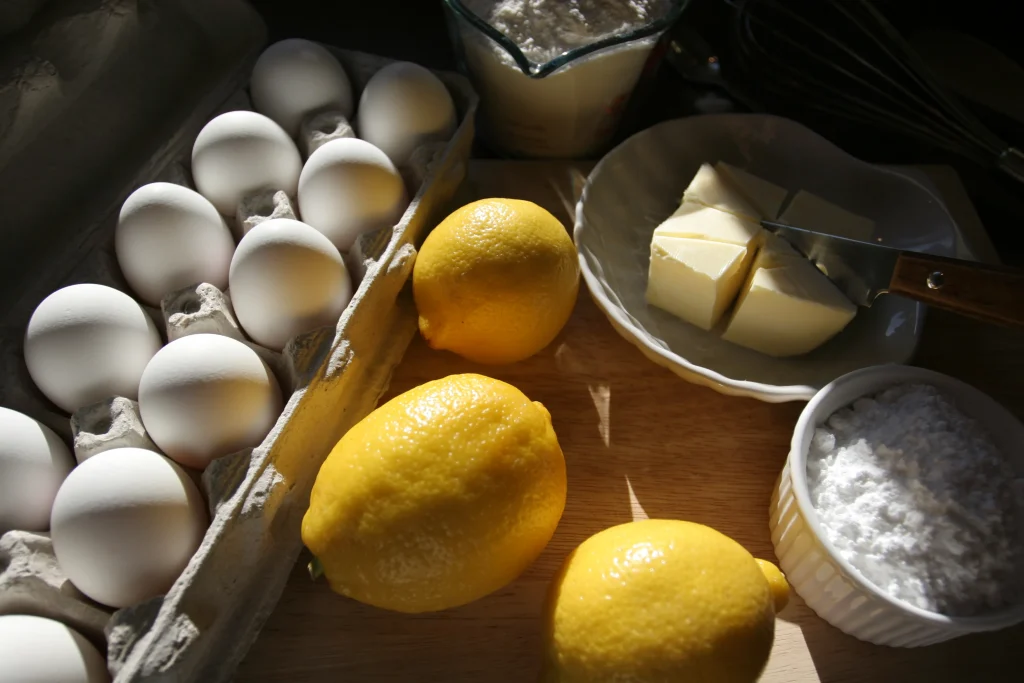
Ingredients (Serves 8–10)
- All-purpose flour: 2 cups (240 g) – Provides structure for the cake.
- Granulated sugar: 1 ½ cups (300 g) – Adds sweetness and helps create a tender crumb.
- Unsalted butter: ½ cup (115 g), softened – Adds richness and moisture.
- Eggs: 4 large, at room temperature – Help with structure and fluffiness.
- Baking powder: 2 ½ teaspoons – Ensures the cake rises evenly.
- Salt: ½ teaspoon – Enhances flavor and balances sweetness.
- Fresh lemons: 2, zested and juiced – Gives natural, bright citrus flavor.
- Vanilla extract: 1 teaspoon – Adds depth and aroma.
- Milk or buttermilk: ½ cup (120 ml) – Adds moisture and tenderness.
Optional for topping:
- Powdered sugar: 1 cup (120 g)
- Additional lemon juice: 2–3 tablespoons for glaze
Baking Tools You’ll Need
Having the right tools ensures smooth preparation and perfect results:
- Mixing bowls – One large for dry ingredients, one medium for wet ingredients.
- Measuring cups and spoons – For precise measurements of flour, sugar, liquids, and leavening agents.
- Electric mixer or hand whisk – To cream butter and sugar, and combine batter smoothly.
- Spatula – For folding ingredients and scraping the bowl.
- Zester or microplane – To zest the lemons finely without including the bitter white pith.
- Juicer – To extract fresh lemon juice efficiently.
- 8-inch (20 cm) round or square cake pan – Greased and lined with parchment paper for easy release.
- Cooling rack – To cool the cake completely before glazing or serving.
- Optional: Small bowl and spoon for mixing the lemon glaze.
Pro Tips:
- Always use room-temperature butter and eggs for smoother batter and a fluffier cake.
- Measure flour properly — spoon it into the cup and level it off for accurate results.
- Fresh lemons make all the difference — avoid bottled lemon juice for authentic flavor.
Step-by-Step Recipe: How to Make a Moist Lemon Cake
This simple step-by-step guide will help you bake a light, fluffy, and moist lemon cake from scratch — full of bright citrus flavor and soft texture. Even if you’re new to baking, these easy instructions will ensure delicious results every time.
Step 1: Prepare Your Baking Pan and Preheat the Oven
Start by preheating your oven to 350°F (175°C). Grease an 8-inch (20 cm) round or square cake pan with butter or non-stick spray, and line the bottom with parchment paper for easy removal later. Lightly dust with flour if desired.
Tip: Preheating the oven helps the cake bake evenly and rise properly from the start.
Step 2: Mix the Dry Ingredients
In a large mixing bowl, whisk together:
- 2 cups (240 g) all-purpose flour
- 2 ½ teaspoons baking powder
- ½ teaspoon salt
Set this mixture aside. Combining dry ingredients separately ensures the baking powder is evenly distributed, which helps your cake rise uniformly.
Step 3: Cream Butter and Sugar Until Fluffy
In another large bowl, use an electric mixer (or hand whisk) to beat together:
- ½ cup (115 g) softened unsalted butter
- 1 ½ cups (300 g) granulated sugar
Beat for 2–3 minutes until the mixture is pale, creamy, and light. This step adds air to the batter, giving your lemon cake its signature soft, tender texture.
Step 4: Add the Eggs, Lemon, and Vanilla
Add 4 large eggs, one at a time, mixing well after each addition. Then stir in:
- Zest of 2 lemons
- Juice of 1 lemon (about 2–3 tablespoons)
- 1 teaspoon vanilla extract
These ingredients infuse the batter with natural citrus aroma and a hint of sweetness.
Tip: For an extra punch of lemon flavor, add an additional teaspoon of zest or a tablespoon of juice — but be careful not to overdo it, as too much acidity can affect the texture.
Step 5: Combine Wet and Dry Ingredients
Gradually add the flour mixture to the wet mixture in three additions, alternating with:
- ½ cup (120 ml) milk or buttermilk
Start and end with the flour mixture. Mix on low speed or fold gently with a spatula until just combined — do not overmix, as this can make the cake dense instead of fluffy.
Step 6: Bake the Cake
Pour the batter evenly into the prepared pan and smooth the top. Bake in the preheated oven for 35–40 minutes, or until a toothpick inserted in the center comes out clean.
Once done, remove from the oven and allow the cake to cool in the pan for 10 minutes, then transfer it to a wire rack to cool completely.
Tip: Avoid opening the oven door too early — sudden temperature changes can cause the cake to collapse in the middle.
Step 7: Add the Lemon Glaze (Optional but Recommended)
For a glossy, tangy finish, prepare a simple glaze by mixing:
- 1 cup (120 g) powdered sugar
- 2–3 tablespoons fresh lemon juice
Whisk until smooth, then drizzle it over the cooled cake. Let it set for about 10 minutes before slicing and serving.
Optional: For extra indulgence, replace the glaze with lemon cream cheese frosting or buttercream.
Result:
You’ll have a perfectly moist, light, and flavorful lemon cake — with a fresh citrus aroma and a melt-in-your-mouth texture. Ideal for tea time, brunch, or a refreshing dessert after a meal.
Lemon Glaze and Flavor Variations
A good lemon cake becomes unforgettable when paired with the right glaze or frosting. The glaze not only enhances the cake’s flavor but also gives it that glossy, irresistible finish that makes every slice look bakery-perfect. Below, you’ll find a simple lemon glaze recipe, along with a few creative variations to customize your cake for different tastes and occasions.
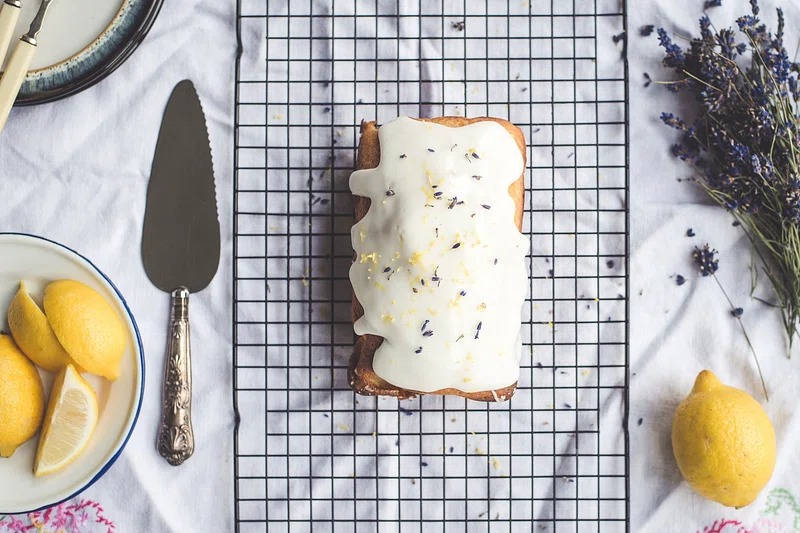
Simple Lemon Glaze Recipe
For a quick and delicious lemon glaze, you’ll need just two basic ingredients:
- 1 cup (120 g) powdered sugar
- 2–3 tablespoons fresh lemon juice (adjust for consistency)
Instructions:
- Sift the powdered sugar into a small bowl to remove lumps.
- Add fresh lemon juice gradually, stirring until smooth and glossy.
- The glaze should be thick enough to coat a spoon but still pourable.
- Drizzle it generously over your completely cooled cake.
Let the glaze set for about 10–15 minutes before serving — this creates a light, crisp coating that complements the cake’s moist crumb perfectly.
Pro Tip: If you want a richer glaze, add 1 tablespoon of melted butter for a silky texture and subtle buttery flavor.
Creamy Frosting Option
If you prefer something thicker and creamier than a glaze, try this lemon cream cheese frosting:
- 4 oz (115 g) cream cheese, softened
- 2 tablespoons unsalted butter, softened
- 1 cup (120 g) powdered sugar
- 1 tablespoon fresh lemon juice
- 1 teaspoon lemon zest
Directions:
Beat the cream cheese and butter until smooth, then mix in powdered sugar, lemon juice, and zest until fluffy. Spread evenly over the cooled cake for a decadent, tangy finish.
Tip: This frosting pairs beautifully with layered lemon cakes or cupcakes.
Flavor Twists to Try
Want to put your own spin on the classic lemon cake? Try one of these fun and flavorful ideas:
- Lemon Poppy Seed Cake – Add 1 tablespoon of poppy seeds to the batter for a nutty crunch and elegant look.
- Lemon Blueberry Cake – Fold in 1 cup of fresh or frozen blueberries for a burst of sweetness in every bite.
- Coconut Lemon Cake – Mix ½ cup shredded coconut into the batter and sprinkle some on top of the glaze.
- Lavender Lemon Cake – Add ½ teaspoon dried culinary lavender to the sugar for a delicate floral note.
- Lemon Almond Cake – Replace ¼ cup of flour with almond flour for a rich, slightly nutty flavor.
Pro Tip: Always balance strong flavors (like lavender or coconut) with extra zest or juice to keep the lemon taste at the forefront.
Presentation and Garnish Ideas
- Decorate with thin lemon slices, lemon zest curls, or edible flowers for a fresh, elegant presentation.
- Dust lightly with powdered sugar for a simple yet classic look.
- Serve with a side of whipped cream or fresh berries to balance the tartness.
Whether you prefer a shiny glaze, a rich frosting, or a creative twist, these variations let you turn your homemade lemon cake into something uniquely yours — bright, flavorful, and ready to impress.
Tips for Perfect Results Every Time
Baking a homemade lemon cake that turns out perfectly moist, fluffy, and full of bright citrus flavor takes just a few simple tricks. Whether you’re a beginner or an experienced baker, following these key tips will help you achieve bakery-quality results every time.
1. Use Fresh Lemons for the Best Flavor
Always use freshly squeezed lemon juice and finely grated lemon zest instead of bottled juice or artificial extracts. The essential oils in the zest bring a rich, aromatic brightness that makes the cake taste naturally fresh and tangy.
Pro Tip: Zest the lemons before juicing them, as it’s easier to handle the whole fruit.
2. Bring Ingredients to Room Temperature
Cold ingredients can cause the batter to curdle or mix unevenly. Make sure your butter, eggs, and milk are at room temperature before mixing — this helps the ingredients blend smoothly, trapping more air in the batter for a soft, tender crumb.
Let your butter sit out for about 30 minutes and eggs for 15–20 minutes before starting.
3. Measure Ingredients Accurately
Baking is a science — even a small imbalance can affect texture or moisture.
- Spoon flour into your measuring cup and level it off with a knife instead of scooping directly from the bag (which packs it too tightly).
- Use measuring spoons for baking powder, salt, and vanilla extract.
- For liquids, use a clear measuring jug placed on a flat surface.
Accurate measurements ensure the right balance between moisture and structure, giving your lemon cake its signature light texture.
4. Don’t Overmix the Batter
Once you add the dry ingredients, mix only until just combined. Overmixing can develop too much gluten, making your cake dense instead of airy. Use a spatula or low-speed mixer to gently fold the batter for the best texture.
Tip: Stop mixing as soon as you no longer see streaks of flour in the batter.
5. Bake at the Right Temperature
Preheat your oven to 350°F (175°C) and bake on the middle rack for even heat distribution. Using an oven thermometer can help ensure your temperature is accurate — many home ovens can vary by 10–15 degrees.
If the top browns too quickly, loosely cover it with aluminum foil for the last 10 minutes of baking.
6. Test for Doneness Properly
Check your lemon cake about 5 minutes before the end of the baking time. Insert a toothpick or cake tester into the center — if it comes out clean or with a few moist crumbs, it’s ready. Overbaking will dry out your cake, so keep an eye on it near the end.
7. Cool Completely Before Glazing or Frosting
Let your cake cool in the pan for 10 minutes, then transfer it to a wire rack to cool completely. Adding glaze or frosting to a warm cake can cause it to melt or soak in unevenly.
Pro Tip: If you want a slightly soaked lemon texture, poke a few holes in the cake and drizzle a light lemon syrup before glazing.
8. Adjust Sweetness and Tang to Your Taste
Everyone’s lemon preference is different — some like it sweet, others more tangy. Taste your batter before baking (without raw flour) and adjust by adding:
- More lemon juice or zest for stronger citrus notes.
- A bit more sugar if you prefer a sweeter flavor balance.
Following these tips will ensure your homemade lemon cake turns out soft, moist, and full of flavor every single time — with that perfect balance of sweet and tangy that keeps everyone coming back for another slice.




Thanks for sharing. I read many of your blog posts, cool, your blog is very good.